For horse owners, hay is more than something to fill a feeder. For many horses, forage makes up the foundation of the daily diet and provides the fiber needed to support normal digestive function. Choosing appropriate hay can have an important role in maintaining body condition, supporting digestion, and keeping horses comfortable.
In Florida, hay selection can present some additional considerations. Heat, humidity, pasture conditions, and the availability of different forage types can all influence what is practical for a particular horse. Rather than assuming that one type of hay is best for every animal, owners can make better decisions by considering the individual horse and the characteristics of the forage.
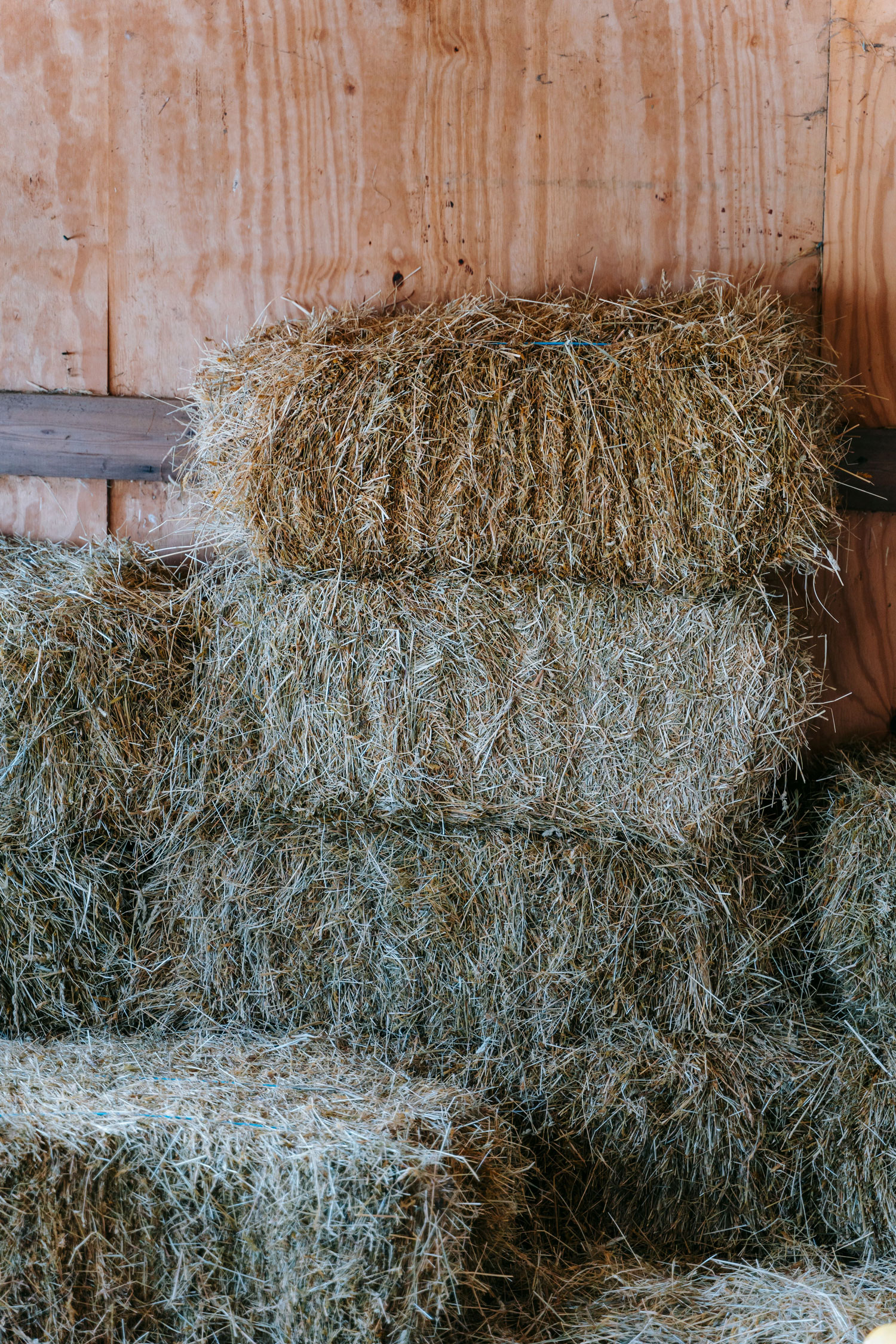
Start With Your Horse’s Needs
Every horse has different nutritional requirements. Age, workload, body condition, metabolism, health status, and the amount of pasture available can all influence how much and what type of forage a horse needs.
A horse in regular work may have different energy requirements from a mature horse doing very little exercise. Likewise, an easy keeper that gains weight readily may need a different forage strategy from a horse that struggles to maintain condition.
Body condition is a useful starting point. Regularly monitoring weight and condition can help owners determine whether the current feeding program is meeting the horse’s needs.
Look Beyond the Bale’s Appearance
Color and smell can provide useful information about hay quality, but they do not tell the entire story.
Good hay should generally be free from visible mold, excessive dust, foreign material, and unpleasant odors. It should also be appropriately cured and stored. However, nutritional characteristics such as protein, fiber, and energy cannot be accurately determined just by looking at a bale.
For horses with specific nutritional requirements, forage analysis can provide more useful information. Testing allows owners and nutrition professionals to evaluate the forage based on measurable characteristics rather than relying entirely on appearance.
Consider the Type of Hay
Different forage types can serve different purposes.
Timothy hay, for example, is commonly used as a grass forage for horses. Owners looking for timothy hay in Florida should still consider the individual horse’s nutritional requirements rather than selecting it simply because of the forage name.
Alfalfa is a legume forage that generally provides more protein and calcium than many grass hays. That can make it useful for certain horses, including animals with higher nutritional requirements, but it does not mean that every horse needs a high proportion of alfalfa in its diet.
The important question is not whether one forage is universally “better.” It is whether the forage fits the horse’s nutritional needs.
Prioritize Consistent Forage Intake
Horses evolved to spend much of their time consuming forage. Providing appropriate access to forage can support normal feeding behavior while supplying the fiber that forms an important part of the equine diet.
According to the Merck Veterinary Manual, forage should form the basis of a horse’s diet, with the amount and type adjusted according to the animal’s individual nutritional requirements.
Sudden changes in forage can also create unnecessary disruption. When changing from one hay to another, gradual transitions are generally preferable to replacing the existing forage all at once.
A gradual change gives the horse’s digestive system time to adapt and allows the owner to monitor how the horse responds to the new forage.
Storage Matters Too
Even good hay can deteriorate if it is stored poorly.
Florida’s humidity and rainfall can make moisture management particularly important. Hay should be protected from rain and ground moisture while still having adequate ventilation. Bales should also be checked regularly for signs of mold, heating, dampness, or unusual odors.
Proper storage protects the nutritional value of the forage and helps prevent avoidable waste. It also means that owners are more likely to know what they are actually feeding when a bale is opened weeks or months after it was purchased.
Choose a Reliable Source
Hay quality can vary between loads, even when the forage type is the same. Harvest timing, growing conditions, curing, handling, and storage can all influence the finished product.
Working with an experienced hay supplier in Florida can make it easier for horse owners to ask questions about available forage and find options that fit their animals’ needs. However, owners should still inspect hay themselves and request forage analysis when nutritional information is important to their feeding decisions.
A reliable supplier should be willing to discuss the forage rather than treating every horse as though it requires the same product.
When Premium Hay Makes Sense
The word “premium” can be appealing, but the highest-quality or most nutrient-dense hay is not automatically the right choice for every horse.
A growing horse, breeding mare, or hard-working performance horse may have greater nutritional requirements than an adult horse in light work. In these situations, a nutrient-dense forage such as premium alfalfa may have a useful place in the feeding program.
For an easy keeper, however, a very nutrient-dense forage may provide more energy than necessary. The goal should always be to match forage quality and quantity to the individual animal.
Watch the Horse, Not Just the Feed
One of the best ways to evaluate a feeding program is to pay attention to the horse.
Monitor body condition, manure consistency, appetite, energy, coat condition, and overall behavior. Changes in these areas can provide useful clues that a feeding program may need to be reviewed.
However, behavioral or physical changes should not automatically be blamed on hay. Dental problems, parasites, illness, ulcers, changes in workload, and other factors can affect a horse’s condition and behavior.
When a horse experiences unexplained weight loss, digestive problems, or other persistent health concerns, consultation with a veterinarian or qualified equine nutrition professional is appropriate.
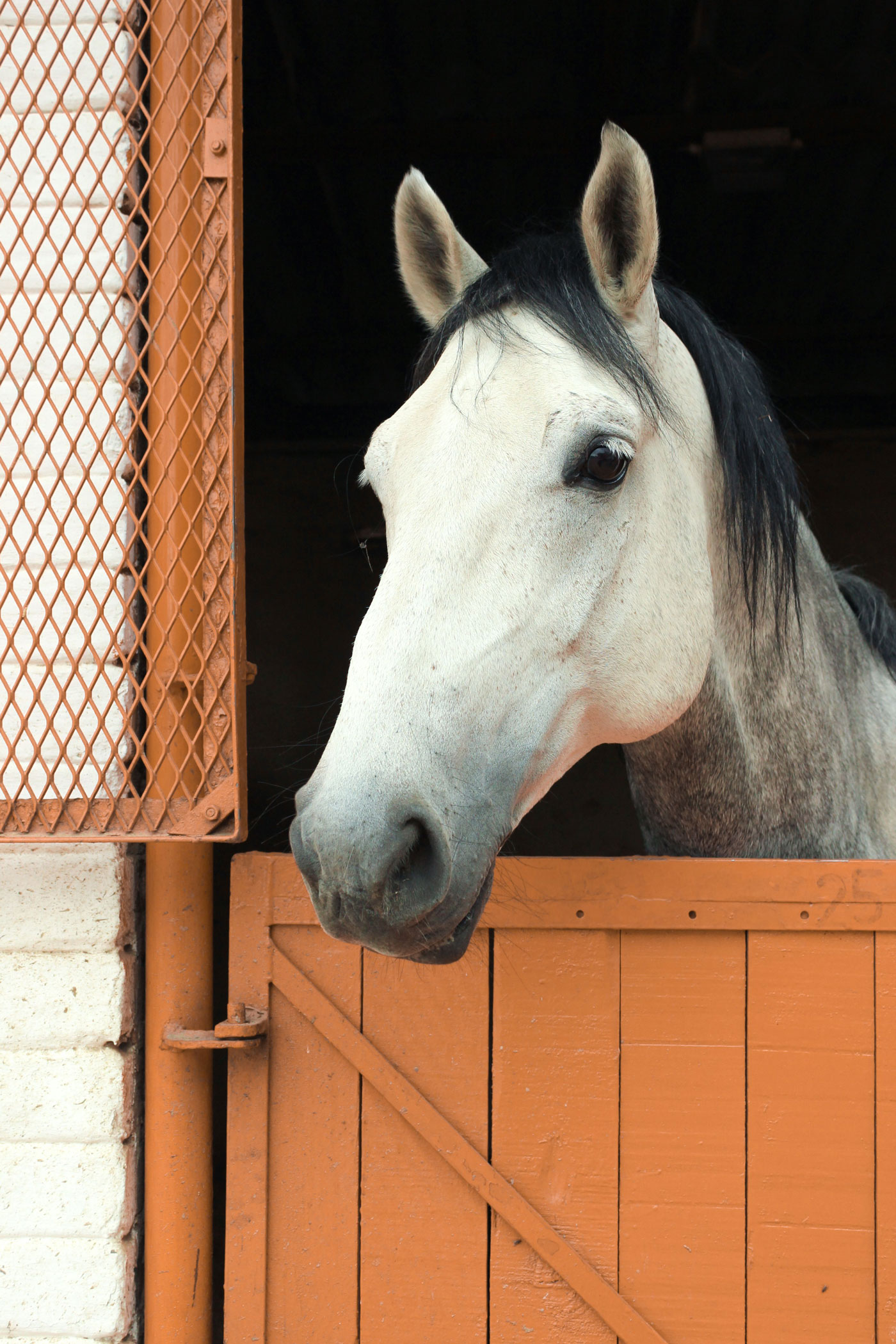
Better Hay Starts With Better Decisions
Choosing hay is ultimately about matching forage to the horse rather than chasing a particular label.
Start with the animal’s nutritional requirements, evaluate the available forage, consider testing when appropriate, introduce changes gradually, and store hay carefully. These simple steps can help owners provide a more consistent and appropriate source of nutrition.
For Florida horse owners, good hay management is especially valuable because forage may remain an important part of the diet throughout the year. With thoughtful selection and proper storage, hay can provide a dependable nutritional foundation that supports a horse’s health and day-to-day well-being.
Reference
Merck Veterinary Manual. (n.d.). Nutritional requirements of horses. Merck Veterinary Manual. https://www.merckvetmanual.com/management-and-nutrition/nutrition-horses/nutritional-requirements-of-horses
Leave a Reply